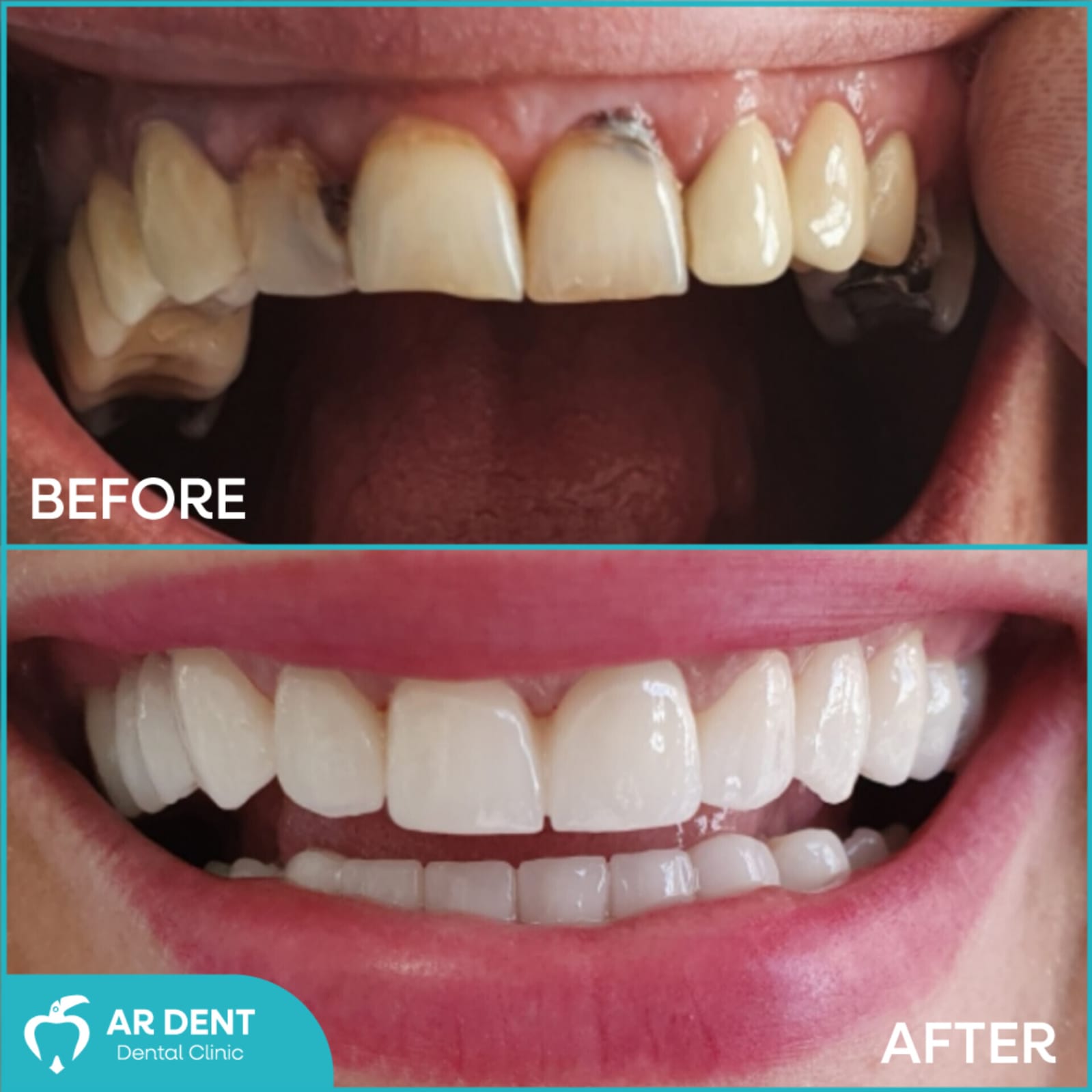
Dental Implants: A Permanent Solution for Missing Teeth
Dental implants are biocompatible titanium posts that replace missing tooth roots and support natural-looking crowns. They restore function, protect jawbone health, and give you the confidence to smile again.
Why Choose Dental Implants?
- Natural look and feel: Designed to match the shape and shade of your teeth.
- Long-term durability: With proper care, implants can last decades.
- Protects bone health: Stimulates the jawbone and helps prevent bone loss.
- Eat confidently: Strong bite stability for your favorite foods.
- No impact on adjacent teeth: Unlike bridges, neighboring teeth are not shaved down.
Who Is a Good Candidate?
Most healthy adults with one or more missing teeth may qualify. Ideal candidates have:
- Healthy gums and good oral hygiene habits
- Adequate jawbone volume (or eligibility for bone grafting)
- No uncontrolled medical conditions that impair healing
- Non-smoking or willing to reduce/quit for optimal results
The Implant Procedure: Step by Step
- Comprehensive assessment: 3D scans, X‑rays, and treatment planning.
- Implant placement: The titanium post is placed under local anesthesia.
- Osseointegration: 8–12 weeks for the implant to fuse with the bone.
- Abutment placement: A connector is attached to the healed implant.
- Custom crown: A lifelike crown is fabricated and secured for a seamless smile.
Types of Implant Solutions
- Single-tooth implant: Replace one missing tooth with a crown.
- Implant bridge: Replace multiple adjacent teeth using fewer implants.
- Full-arch (All‑on‑4/6): Fixed hybrid bridge attached to 4–6 implants per arch.
- Overdentures: Removable dentures that snap onto implants for stability.
Aftercare and Recovery
Healing is usually smooth with minor swelling or tenderness for a few days. For best results:
- Use prescribed pain relief and antimicrobial rinses as directed
- Stick to soft foods for the first 48–72 hours
- Brush gently around the surgical site and resume flossing when advised
- Attend follow-up visits to monitor healing and implant stability
Risks and Considerations
Implants have a high success rate, but as with any procedure, risks exist:
- Temporary swelling, bruising, or discomfort
- Implant non-integration (rare), which can often be retreated
- Infection risk minimized with proper hygiene and follow-up
Frequently Asked Questions
How long do implants last? With regular care and check-ups, many last a lifetime.
Does it hurt? The procedure is performed under local anesthesia; most patients report minimal post-op discomfort.
What if I’ve lost bone? Bone grafting or sinus lift procedures can often prepare the site for implants.