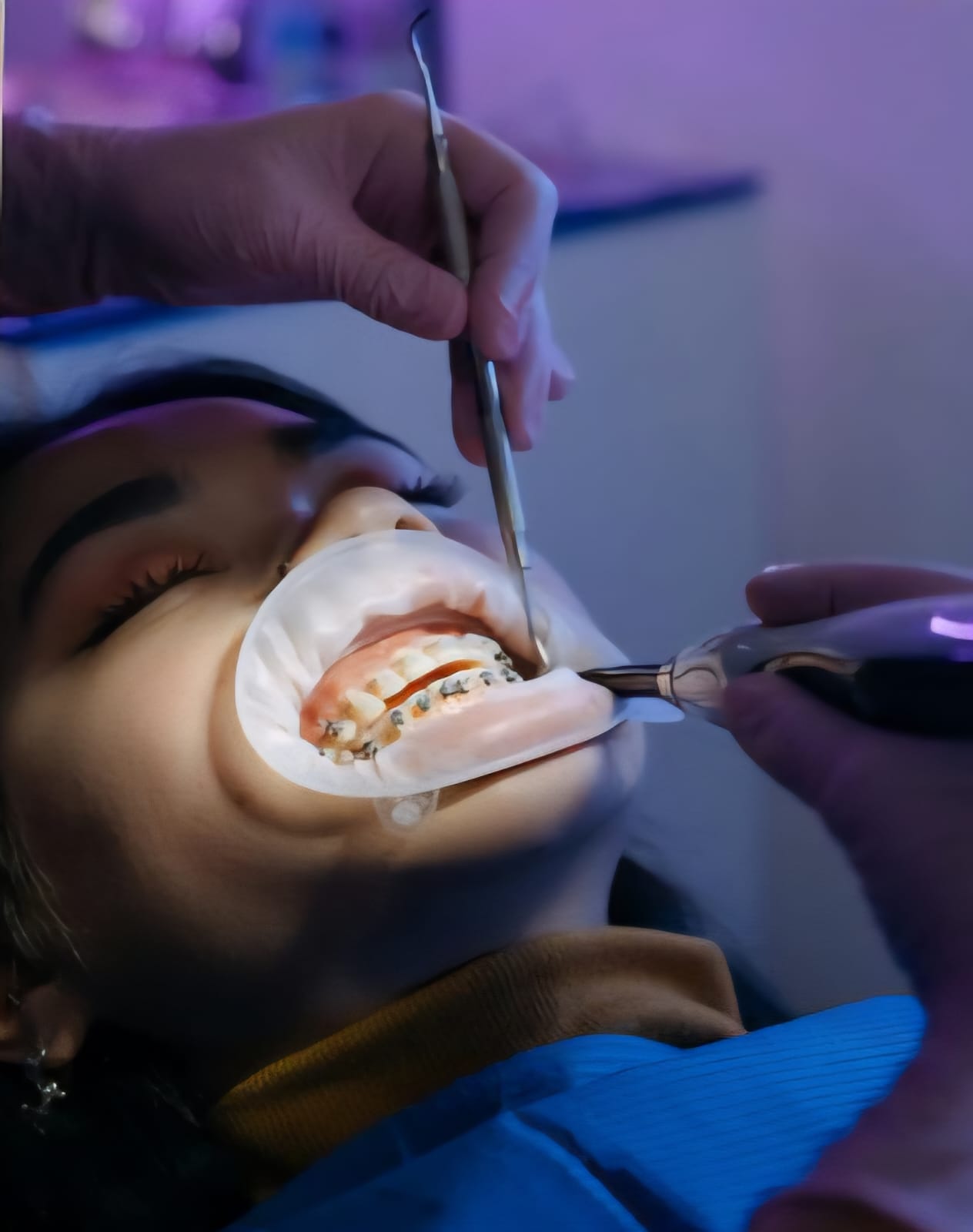
A Complete Guide to Dental Prosthetics
Dental prosthetics play a key role in restoring function, comfort, and appearance for patients with missing or damaged teeth. From crowns to full dentures, these solutions improve both oral health and confidence.
Types of Dental Prosthetics
There are several types of prosthetic solutions available, each suited for different needs:
- Crowns: Restore the shape, size, and strength of damaged teeth.
- Bridges: Replace one or more missing teeth using surrounding teeth for support.
- Partial Dentures: Removable appliances for patients missing several teeth.
- Complete Dentures: Full replacement for an entire arch of teeth.
- Implant-Supported Prosthetics: Permanent, stable solutions anchored to dental implants.
The Procedure
The process begins with a detailed consultation and oral examination. Impressions and digital scans are taken to ensure a precise fit. Depending on the type, prosthetics may require multiple visits for preparation, fitting, and adjustments.
Benefits of Prosthetics
- Restores chewing and speaking ability
- Improves facial aesthetics and self-confidence
- Protects remaining natural teeth from shifting
- Durable and long-lasting with proper care
Aftercare
Good oral hygiene and regular dental visits are essential for maintaining prosthetics. Patients should follow dentist-recommended cleaning routines and avoid habits that may damage the prosthesis, such as biting hard objects.